Cybersecurity 101: Terms Every Business Owner Should Know
You don’t need to be a security expert to protect your business — but knowing the language helps. Here’s a plain-English breakdown of the terms you’ll hear most, and why they matter to you.
February 27, 2026
3 min read
By the CyberSuite Team
Cybersecurity 101: Terms Every Business Owner Should Know
Introduction
You don’t need to be a security expert to protect your business — but knowing the language helps. Here’s a plain-English breakdown of the terms you’ll hear most, and why they matter to you.
The Terms, Explained Simply
Phishing
A deceptive email, text, or link designed to trick someone into handing over passwords or clicking on malware. It’s the #1 way attackers get into businesses — responsible for 85% of successful breaches. The messages look legitimate. That’s the whole point.
Ransomware
Malicious software that locks your files and demands payment to restore access. Attackers often threaten to publish your data publicly if you don’t pay. Recovery — if possible at all — can take weeks and cost far more than the ransom itself.
Malware
Short for “malicious software” — any program built to damage, disrupt, or gain unauthorized access to a system. Ransomware, spyware, and viruses are all types of malware. It’s the umbrella term for anything designed to cause harm.
Data Breach
When sensitive information — customer records, employee data, payment details — is accessed or stolen by someone who shouldn’t have it. Breaches routinely go undetected for months. By the time a company knows, the damage is already done.
EDR (Endpoint Detection & Response)
A security tool that monitors your devices — laptops, desktops, servers — for suspicious activity in real time, and responds automatically before threats spread. Think of it as a smart, always-on security guard for every machine in your business.
Zero-Day Vulnerability
A security flaw in software that’s discovered and exploited by attackers before the software maker has released a fix. Because there are “zero days” to patch it, these vulnerabilities are especially dangerous — and more common than most people realize.
MFA (Multi-Factor Authentication)
Requiring more than just a password to log in — like a code sent to your phone or a fingerprint scan. Even if an attacker steals a password, MFA stops them cold. It’s one of the highest-impact, lowest-effort security controls a business can implement.
Social Engineering
Manipulating people — not machines — to gain access. An attacker calls your front desk pretending to be IT support. They email an employee impersonating the CEO. They don’t hack your system; they convince someone to open the door for them. It works constantly.
Vendor / Third-Party Risk
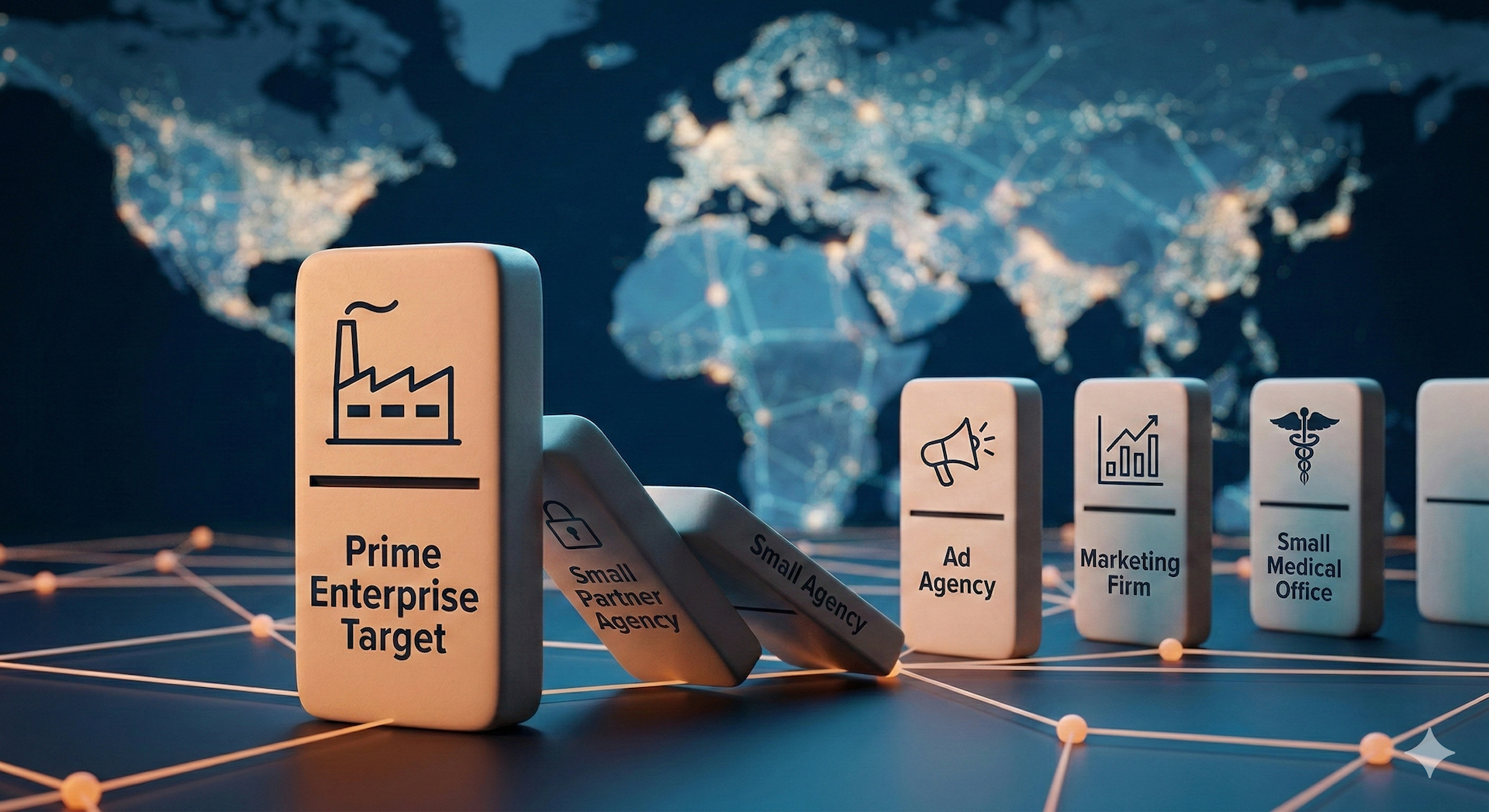
The security exposure that comes from the companies your business works with. A payroll processor, a cloud backup service, a billing platform — if they get breached, your data may be in the crossfire even if your own systems are clean. This is one of the most underestimated risks for small businesses.
Patch Management
The process of keeping software up to date with security fixes released by vendors. Unpatched systems are low-hanging fruit for attackers — many major breaches exploit vulnerabilities that had patches available for months. Staying current is unglamorous, but it closes a huge percentage of the door.
Now You Know the Language — Let’s Talk About Your Protection
CyberSuite bundles protection against every threat on this list into one simple, managed platform. No IT team required.